Table of Content
A traditional-style home's design combines characteristics from one or more historical architectural styles, primarily those of the 17th and 18th centuries. Incorporating traditional design into your current style doesn't mean your home is destined to look like a blast from the past. Carmine Sabatellais an interior designer, renovator, and real estate expert. Leah Alexanderis the principal interior designer at Beauty Is Abundant. A Los Angeles native, she boasts 15 years of experience in the field.

This white space by the interior design firm, Turek Interiors is chock-full of tasteful embellishments. The marble backsplash has a lovely inset around the pot filler faucet. The countertops were cut from quality black marble with frosty veining.
Explore Styles & Decor
Whether your bedroom floor is covered with wall-to-wall carpet or bare wood, an area rug is a great way to add a dose of color, texture, or pattern to the space. Oriental rugs are the very definition of a traditional, classic style—you’ll add a lot more pizzazz to your room with something more contemporary on the floor. Keep it sedate with a natural rug, like the one shown here, or go bright and cheerful with a geometric print; either way, you’ll add a fresh flavor to your traditional furniture. In traditional design, the emphasis is more on pattern than color. A good way to choose colors is to pick one from the predominant pattern in the room and use tones of that color for everything.
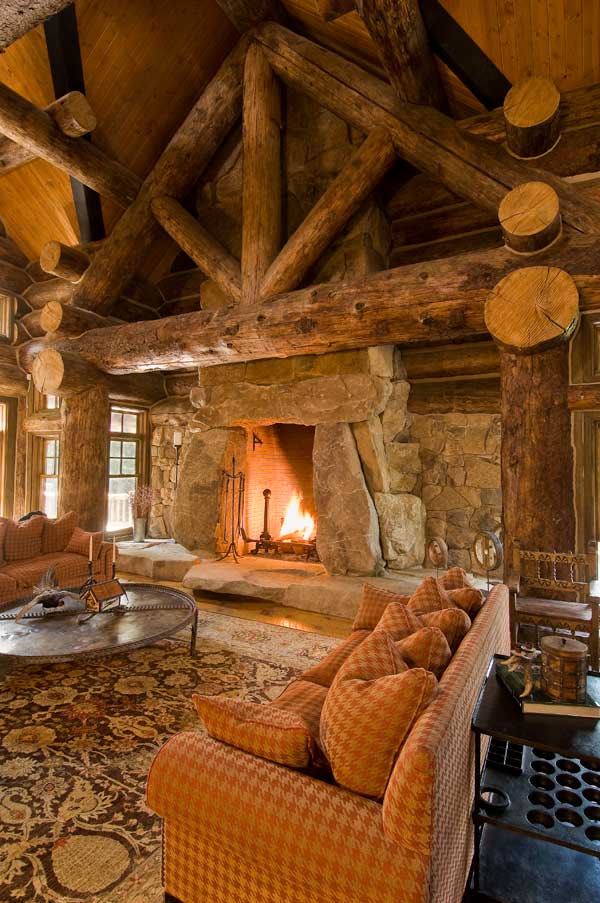
Sweetening the space are the walls in ballerina pink by Benjamin Moore. The finishing touch is the elegant crown molding that takes the charming room to a sophisticated new level. Most dwellers tend to shy away from traditional design in fear of making their apartments look like their grandma's house.
Most Popular Traditional Sofa Styles
Traditional furniture style has a timeless appeal that helps them stay fashionable as trends change. Based on the European decor styles of the 18th and 19th centuries, traditional furniture design includes ornate detailing and functional symmetry. Accents like English cabriole legs and French style chandeliers are familiar fixtures in traditional layouts. Martha O'Hara InteriorsBlue and coral are favorite traditional design colors. In this Victoria revival decorated by Martha O'Hara Interiors, the lovely hues brighten the walls with dark wood embellishments.
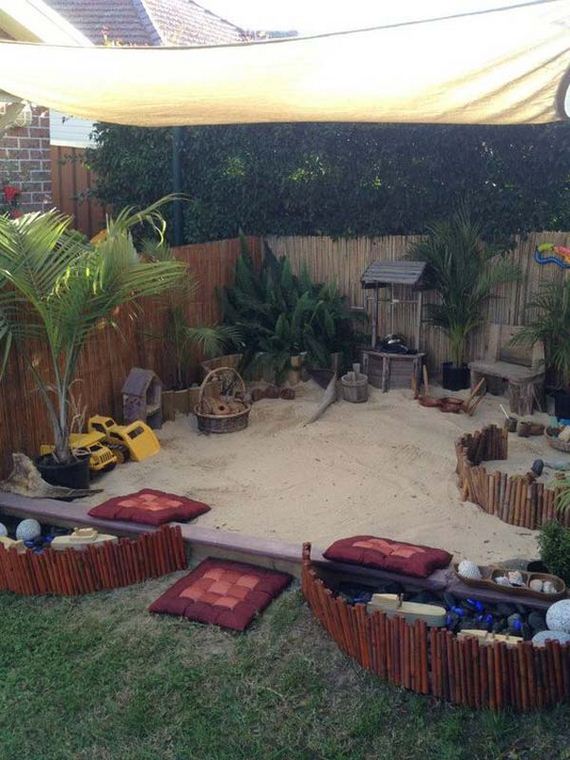
Traditional home offices commonly have dark wood paneling on the floor or walls, so a neutral off-white or beige area rug adds subtle warmth and softness to the room. Traditional interior design hums along quietly in the background while more exciting, trendy, or decade-specific design eras come and go. This means that you opt for designs that don't have sharp edges or rough surfaces. A crisp look isn't exactly what you should go for if you're going for a traditional style.
How to Create a Traditional Living Room
The piano, which is the focal point in the room, throws focus to the gallery wall behind it. The landscape painting over the fireplace brings color while anchoring the room. The tone on tone color scheme establishes an incredibly relaxing and soothing vibe without feeling too casual.
His elegant style can transform your living room into a timeless haven you’ll love coming home to each night. Learn about the characteristics of traditional design as a whole. You want some accents to shine when it comes to traditional decor, but not too much. Install a new faucet with a bronze or copper finish, or hang a new light fixture in pewter or another metal with some texture. The interiors of the home match the exteriors, as a muted and subtle color palette, runs through the entire structure, with splashes of limestone and cedar finishes. A terrace is connected to all the common areas, while a sunken conversation pit in one of the cantilevered window boxes, is followed by a dip in the landscape, which leads to the pool below.
As you've probably suspected, traditional design is inspired by, well, tradition. It's a style you might sooner find in a French magazine than a modern stateside publication. It's common to place two identical lamps or side chairs or end tables in a room. Pairing creates a balanced space and can bring attention to a focal point such as a fireplace or conversation area.
Dark wood flooring, accents, and furnishings are the standard for traditional designs. Wooden handrails, wooden chairs, wooden crown molding are just some examples of great wood ornaments that you can incorporate into a traditional style. Although it aims for a comfortable vibe, traditional style is also big on symmetry and balance, making it look more sleek and elegant.
See expert tips on choosing decor, layout, furniture, and more to give your home a traditional look. Martha O'Hara InteriorsA traditional foyer by Martha O'Hara Interiors makes a chic first impression with old world inspired furnishings. A Louis armchair creates a spot to put on or take off shoes. As the name suggests, traditional-style homes are inspired by, well, tradition. Rather than sticking to a single, specific blueprint, traditional homes mix and match characteristics of multiple historic architectural styles, primarily those of the 17th and 18th centuries.
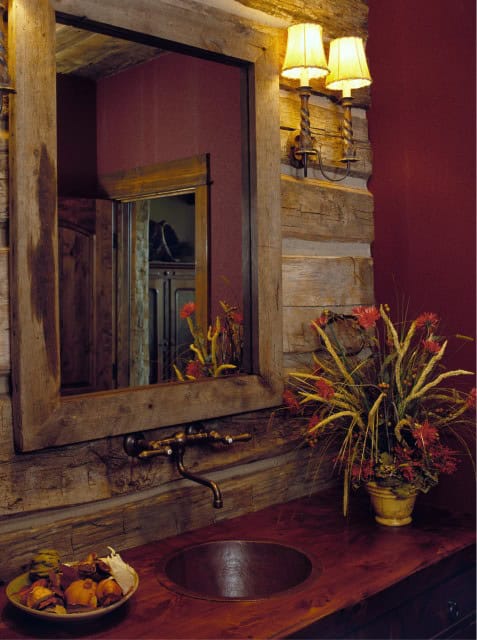
A touch of whimsy is a surefire way to bring traditional furnishings out of the past and into the present. Sometimes you need only look back in time to unearth true beauty. Here you’ll discover traditional design, a style that works equally well now as it did then.
Upholstered furniture and cushions in a room usually have the same or a matching fabric, and wallpaper is not uncommon. A traditional room is a perfect place for a beautifully patterned kilim, Persian carpet or Oriental rug. Traditional furniture descriptions aside, traditional furniture is considered the precursor to modern furniture design, which took its cue from the Modernist movement . Just look at the graceful curved lines of Provence and workmanship of Classics by Bassett to see the hallmarks that define traditional furniture.
Shop Bassett where quality, craftsmanship, and customer service come in hundreds of traditional furniture pieces, from sofas to dining chairs, and tables to cabinets. The home includes a top-floor entrance that leads to a “compressed zone”, that holds a glass balcony overseeing all the living areas. Five of the bedrooms can be accessed from this floor, which has been equipped with red cedar-clad window boxes that function as terraces. A majestic spiral staircase connects the upper level to the lower level and is crafted from solid wood with a 5-axis machining. The primary living room features double-height floor-to-ceiling windows, as well as a stone-clad fireplace.
Modern windows aren't large, but they don't have anything that blocks natural light from entering the house. On the other hand, traditional homes have bigger windows, but they value silhouettes and details greatly. When we think of traditional styles, we believe it's a big contrast from a modern style. There are many differences between traditional and modern design.
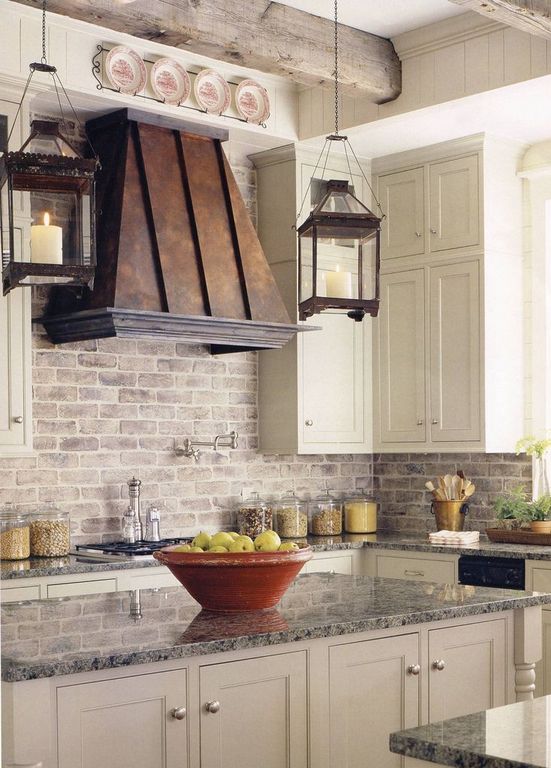
Ahead, everything you've ever wanted to know about traditional interior design as explained by actual interior designers. This is one style where window dressing is front and center, unlike more modern styles that mostly keep windows bare. Rooms often have heavy drapes with under-drapes and fabric or wooden valances. These curtains are made of substantial fabrics in rich tones to offset the neutral wall color and patterns that match the other fabrics in the room. Also known as classic furniture, traditional furniture originated in Europe in the 1600s and hasn’t gone out of style since. Because people paid furniture makers by the hour, more intricate designs were a sign of wealth and status, making well-crafted furniture with these flourishes increasingly popular and coveted.


No comments:
Post a Comment