Thursday, May 2, 2024

The best essential oils for hair growth: Do they work?

oils that promote hair growth

Sims notes that this is "basically enough to cover the area but not saturate it." then, she suggests gently massaging it in. "i also tell clients to add rosemary oil to both their shampoo and conditioner," she explains. Dr. Ahmad Chaudhry M.B.B.S. is a House Physician in the Medical Unit 3 Allied Hospital, Faisalabad, and deals with hepatic, cardiac, neurological, and dermatological issues daily.

Why You Should Use Jojoba Oil for Hair Growth

Menthol can seriously negatively affect the breathing of an infant or small child and should never be applied to their face or allowed to be inhaled by them. If you have peppermint oil in your house, make sure it is stored away from where children can access it. The most important step is to test your serum before using it for the first time. “Apply the serum to a small spot on the scalp for a few days to ensure that there is no irritation before applying it more broadly,” says Dr. Mirmirani.

oils that promote hair growth

Lavender essential oil

oils that promote hair growth

The best part was that our hair started to look healthier and thicker after just four weeks of use, making those of us with naturally frizzy strands have hair that lays nicer and styles easier without as much product as before. This potent formula is rich in biotin and rosemary as the name suggests — which is said to balance and regulate scalp health, according to celebrity hairstylist Davey Matthew. Not only does this oil work hard to strengthen your strands and smooth your split ends, but it also soothes itchy and flaky scalps due to rosemary’s studied effects as an anti-inflammatory herb. Essy is a popular option because it contains castor oil, an ingredient that's rich in omega-6 fatty acids, as well as vitamin E, says Sonia Batra, MD, a board-certified dermatologist and former cohost of The Doctors. It also has anti-inflammatory and anti-microbial properties that calm inflammation in the scalp. Tea tree oil is an essential oil distilled from Melaleuca alternifolia, a flowering plant native to Australia and New Zealand.

Top 13 Best Oils for Hair Loss and Regrowth

If you have a dry scalp, opt for moisturizing oils like coconut or almond. If you deal with dandruff, look for oils with antifungal properties like tea tree or rosemary. Rosemary oil is one of the top essential oils for hair thickness and growth. It is used to increase cellular metabolism, which stimulates hair growth and promotes healing. Research even shows that rosemary oil appears to work as well as minoxidil, a conventional topical hair loss treatment. But you might want to change that because using a few drops before your next shower could do wonders for your hair.

Bread Beauty Supply Everyday Gloss Hair Oil

Thankfully, this process only needs to be done once a week to see some results, because this product is certainly not cheap. But for the longer tresses you’ll be brushing through in a few months, we’d say the splurge is worth it. There’s no overnight solution to hair thinning — but there is Vegamour’s Gro Serum, which has been shown to improve the look, feel, and texture of users’ hair after 90 days of consistent use. This daily serum is color-safe and packed with plant-based ingredients such as turmeric, N. Benthamiana, and red clover, which are clinically proven to recharge your dermal hair cells, stimulate the hair growth cycle, and prevent future hair loss, according to the brand.

Rake a very small amount (a little goes a long way with this one) through clean, towel-dried hair, and then air- or blow-dry—you'll be left with sleek, flyaway-free hair that's incredibly soft. Crack open one of these luxe lil vials, and you'll get the perfect dose of hair oil. The formula features a blend of agave extract (a lightweight deep conditioner), yeast extract (a potentially hair-strengthening supplement), and riboflavin (aka vitamin B2). It's definitely on the pricier side ($95 gets you a pack of 12 two oz. vials), but you'll love how soft and shiny your hair feels after each use. With a nourishing blend of baobab, keratin, and rosemary oil, this hair treatment from Evolis works to fortify and hydrate hair.

Kiehl's Since 1851 Magic Elixir Hair Restructuring Concentrate with Rosemary Leaf & Avocado

Also, it is a rich source of vitamin E and oleic acid, which are great for hair growth. Ideally, it is best for all hair types, especially for people with extremely dry and frizzy hair. However, people with oily/greasy hair types should avoid using it regularly. Overall, we think the GIFBEA Hair Growth Oil and Serum is a great investment for those looking to achieve the luscious locks of their dreams.

Does castor oil for hair growth really work? We asked dermatologists to find out - CNN Underscored

Does castor oil for hair growth really work? We asked dermatologists to find out.

Posted: Thu, 25 Jan 2024 08:00:00 GMT [source]

Several scientific studies suggest that certain oils do boost hair growth. The Several Several scientific studies suggest that certain oils do boost hair growth. They condition the hair and scalp, stimulate collagen production due to massaging which results in stronger follicles and reduced hair fall, says Prajakta Sapre, Product Development Executive. We have been using the Olivita Premium Rosemary Oil for Hair Growth for a few weeks now and have already noticed softer, thicker hair.

Best value oil: Mielle Organics Rosemary Mint Scalp & Hair Strengthening Oil

This article is based on scientific evidence, written by experts and fact checked by our trained editorial staff. Note that the numbers in parentheses (1, 2, etc.) are clickable links to medically peer-reviewed studies. The information in our articles is NOT intended to replace a one-on-one relationship with a qualified health care professional and is not intended as medical advice. So far, our experience with Kerastase has been absolutely “mane”-changing — and this strengthening serum is no exception. She has also written about sexual wellness, fashion, culture, and politics both at Marie Claire and for publications like The New York Times, Bustle, and HuffPost Personal.

The rosemary and peppermint oils gently exfoliate the scalp while increasing blood circulation, allowing more oxygen to be carried to your scalp. A recent study found that increased oxygen promotes faster and thicker hair growth. Above all, Rosemary oil has been found to be just as effective as the FDA-approved 2% minoxidil hair growth treatment, but without the side effects. This hair oil leaves hair moisturized, shiny, and soft thanks to hydrating, nourishing ingredients like coconut oil, jojoba oil, and sunflower seed oil. It’s suitable for all hair types, with reviewers saying it’s especially great for curly hair.

Packed with ingredients such as organic blueberry extract, pomegranate seed, argan oil, and gardenia flower oil, this hair growth oil is specifically designed for curly hair types. It’s helpful to scan an oil’s ingredients list to confirm that it includes oils with potential hair growth benefits. Look for the ingredients listed throughout this article like rosemary, peppermint, and bhringraj oils.

Shampoo and condition your hair, apply the formula all over your scalp, and style as usual. It's a great way to make sure you're nourishing your strands and scalp at all times, even in between the more intense treatments. For best and quick visible results, hair growth oils "must be used on a freshly cleansed scalp, and used daily for maximum results," adds Reavey.


7 Best Natural Oils for Hair Growth

oils that promote hair growth

You can purchase the oil with or without a comb, which you can use to stimulate your scalp. Essential oils are very concentrated, so always mix them in small amounts with carrier oils before massaging them onto the scalp. As per the studies in Hindawi, grapeseed oil is an effective treatment for androgenetic alopecia. Overall, we believe the Olivita Premium Rosemary Oil for Hair Growth is a great investment for those looking for a natural solution to hair loss and scalp care.

Maria Nila True Soft Argan Oil

Keranique only has formulas with 2% minoxidil, which is less than some other brands. When it comes to hair products specifically, customers noted the effectiveness of the minoxidil and finasteride combination in particular. Another 2015 study showed that 94.1% of men who used both ingredients at once showed significant improvement, while only 80.5% saw improvements with finasteride alone, and only 59% saw improvements with minoxidil. According to a 2015 study of 45 men, 84.4% of participants with androgenic alopecia maintained good hair density after initial treatment when using a topical minoxidil-finasteride combination. If you applied the oil as a pre-wash treatment, shampoo and condition your hair as usual.

Reverie Cake: Restorative Scalp Tonic

Don’t be using this as a miracle treatment though, it can yield impressive results, but no product is a miracle worker. We've explored the science behind hair growth cycles and how natural oils can play a vital role. We've also revealed the top 10 dermatologist-approved hair growth oils of 2024, rigorously tested for effectiveness and ease of use. For shine and manageability, argan or grapeseed oil might be your best bet. If you want to combat breakage and split ends, look for oils rich in Vitamin E, like almond or avocado.

Ranavat Fortifiying Hair Serum

Another common concern is how to get rid of dandruff, a skin disorder that affects 50 percent of the world population. Dandruff is caused by the buildup of dead skin, and in more severe cases, a yeast-like organism aggravates it. It can also be caused by hair care products that contain chemical ingredients that leave your scalp red, itchy and scaly. Lemongrass essential oil has healing properties, and it works as an effective cleanser and deodorizer. It can strengthen your hair follicles and soothe an itchy and irritated scalp. It mixes well with gentle oils like lavender and carrier oils like coconut oil.

“Jojoba oil is a highly moisturizing oil that closely resembles the natural oils produced by the scalp,” explains Friend. Nutrafol is a leading brand in the hair growth industry, and its Growth Activator hair serum is proof of why. We love that Nutrafol’s formula benefits the entire hair ecosystem (scalp and follicles) all without weighing down fine hair.

Shoppers in their 50s and 60s love this No. 1 bestselling moisturizer with sunscreen and it’s just $15

If you're looking for an all-natural hair growth serum that is easy to use, then the Venanoci Hair Growth Serum might be for you. Embark on a hair transformation with Artnaturals Organic Rosemary Castor Hair Oil. Make it a commitment, not just a solution, for the vibrant, revitalized hair you deserve. One of our top recommendations for any man looking for a budget-friendly option is the Every Man Jack Beard Oil.

The Growther Beard Oil from Beard Farmer is crafted with 100% natural oils. These ingredients tackle dryness and improve manageability for a soft, healthy beard. Of course, they also work together to create an optimal environment for beard growth.

Thyme essential oil

A more expensive product doesn’t automatically mean that it is more effective. As for negative reviews, some reviewers experienced chunks of hair falling out and a messy bathtub. While Hims, Inc. has an A+ rating with the Better Business Bureau, some customer reviews are less than stellar. As of April 2024, the company’s overall 3.89 average rating out of 5 stars has to do with sexual dysfunction products, as well as complaints of being charged for products after notifying the company of the desire to cancel.

For mature beauties over 40, it can feel daunting to enter the world of scalp and hair oils and find the right products that work for your hair type. When it comes to hair oils for wigs and extensions, “using sulphate-free and alcohol-free products are essential to maintaining healthy hair extensions and looking after your wig. Make sure your hair extensions and wigs are nourished, especially if they are 100% human hair,” Abigail says. "Oils are fantastic at creating a luxurious feel to your wig and hair extensions, especially if they are light to leave your hair feeling silky smooth,” she adds. For instance, lightweight oils like argan or jojoba are excellent for fine or oily hair as they won't weigh hair down or exacerbate oil production.

How to Use Rosemary Oil for Hair Growth According to Expert Derms - Cosmopolitan

How to Use Rosemary Oil for Hair Growth According to Expert Derms.

Posted: Fri, 26 Jan 2024 08:00:00 GMT [source]

It makes it a great pick for anyone experiencing hair loss, especially if you've dyed or heat-styled it a lot (hear! hear!). In a perfect world, we’d be able to achieve our dream hair length using just oil. However, hair growth is contingent upon genetics, lifestyle, consistency, and of course, patience. Nutrafol may be known for its hair growth supplements, but its hair serum packs a punch, too. With daily use, you'll see a difference in the fullness of your mane before you know it. "Hair growth patterns are very complex and depend on genetics, environment, age, diet, and so on," says board-certified dermatologist Karan Lal, MD.

Firstly, it's important to choose a high-quality castor oil that is free of additives or impurities,” he says. “if you're interested in trying oils for hair growth, i encourage you to do so — but remember to use it in moderation and conjunction with other healthy hair practices,” he concludes. Additionally, castor oil is high in omega-9 fatty acids essential for healthy hair and skin.” goldman emphasizes the importance of conducting thorough research before selecting a bottle of castor oil. “when it comes to using castor oil, there are a few things to keep in mind. We've also provided valuable insights on choosing the right oil for your unique hair type and scalp condition.

oils that promote hair growth

The formula is perfect for daily use on all hair types, including weaves, extensions, and braids. On the other hand, essential oils are extracted from flowers, leaves, and stems (like rosemary and castor oil). They are highly fragrant and require dilution with carrier oils before topical application. When massaged onto the scalp, these oils increase blood flow and stimulate the hair follicles, which can help hair grow. Plus, they have antifungal and antimicrobial properties that can help prevent dandruff and are rich in fatty acids to promote growth. This hair oil is a versatile, all-in-one product that can be used daily or for intensive treatments.

For example, minoxidil (the active ingredient in Rogaine) has been proven to support hair regrowth for many people and is more likely to give you the results you are looking for than an untested ingredient. We looked for products and treatments from reputable brands with the most significant research behind them and the most effective ingredients. In addition, Keeps offers products with ketoconazole, an antifungal medication and generic version of Nizoral that’s used off-label for hair loss.

While there are many factors that can contribute to hair loss, using the right hair oil can help to promote hair growth and reduce hair fall. In this article, we will be discussing the best oil for hair loss and regrowth. The formula is infused with peppermint and cedarwood essential oils, which stimulate blood circulation to promote growth. Salicylic acid also removes dead skin cells and other debris from the skin to minimize flakiness. We’re consistently impressed by Kiehl’s products, and this beard oil is no exception.

Essential oils, including tea tree, lavender, and clove oils, can also zap fungi, which eliminates excess sebum and oily hair. Mielle Organics Rosemary Mint Scalp & Hair Strengthening Oil is one of the highest-rated, most loved oils across multiple online and brick-and-mortar retailers. Formulated for all hair types and safe for treated and processed hair, this oil can be used daily or as an intensive overnight deep treatment.

Overall, we highly recommend the GoldWorld Rosemary Oil Hair Growth Serum for anyone looking for an affordable and effective hair loss treatment. We highly recommend the GoldWorld Rosemary Oil Hair Growth Serum for those looking for an affordable and effective hair loss treatment. Whether you're combating hair loss or aiming for lush regrowth, this oil is your go-to solution.

Wednesday, May 1, 2024

The Ultimate Guide To Permanently Removing Nose Hair

eliminate nose hair

You can also reach for the same scissors you use to shape your eyebrows. Just use a magnifying mirror, make sure you’re in a well-lit area, and clean your nose and the scissors before you begin. However, for best results, you would have to use the device fairly often, which may make it not all that different from shaving. While you’re getting ready, do yourself a favor, and double check your nose.

How we vet brands and products

Let’s cover what your nose hairs do, as well as discuss safe methods of trimming the nose hair that you don’t want. Hair that grows on the outside of the nose can be safely and effectively removed through several techniques. Removing your nose hair would mean you're at higher risk of getting an infection...or worse. This kit also comes with two additional trimming heads, that can be used to groom brow hair or ear hair. It’s water-resistant for easy cleaning and comes with a travel pouch so you can catch pesky nose hairs on-the-go.

Healthy Community

By keeping your nasal passages clear of hair, you can breathe easier and maintain a polished look. With the right techniques, you can bid farewell to those unwanted strands and embrace smoothness with confidence. In this guide, we’ll explore safe and effective methods for removing nose hair at home, providing you with the knowledge you need to achieve a hair-free nose effortlessly. Many people choose to remove nose hairs for personal reasons. A manual nose hair trimmer is a nice alternative to the electric nose hair trimmer. It achieves the same results, only with slightly different execution.

eliminate nose hair

Is it safe to remove nose hair?

You Have Two Types of Nose Hair Men's Health - Men's Health

You Have Two Types of Nose Hair Men's Health.

Posted: Fri, 17 Feb 2017 08:00:00 GMT [source]

They are usually small and portable, making them easy to carry around with you wherever you go. In addition, most nose hair trimmers come with safety guards to prevent any type of injury from happening while using the device. Furthermore, the trimming process is generally painless, leaving your nasal area healthy and free of any irritation. This method involves applying a thin layer of warm wax to the inside of the nostrils and then quickly removing it to pull out the nose hair. Nose hair waxing provides a longer-lasting solution compared to trimming or plucking.

Trichology is the study of hair and scalp disorders, and some trichologists offer specialized treatments for nose hair reduction. These treatments typically involve the application of specific products or the use of a fine needle to destroy the hair follicles. While these techniques may offer a more permanent solution, it is important to seek a qualified trichologist who can provide safe and effective treatment. Electrolysis is another permanent hair removal method that can be used to target and remove nose hair. This technique involves the use of a fine needle that is inserted into the hair follicle, delivering a small electric current to destroy the root.

Laser nose hair removal

Like laser hair removal, electrolysis may require several sessions to completely eliminate the hair. Laser hair removal is a popular cosmetic procedure used to permanently remove hair from various parts of the body, including the nose. This treatment uses a concentrated beam of light that targets the hair follicles, destroying them at the root. However, it is worth mentioning that laser hair removal may not be suitable for everyone, as it is less effective on individuals with light or gray hair. Additionally, multiple sessions may be required to achieve the desired results.

Ensure to trim evenly and cautiously to avoid cutting too close to the skin, which could lead to discomfort or injury. Yes, there are alternative methods to permanently get rid of nose hair besides laser hair removal. One such option is electrolysis, which involves inserting a tiny needle into each hair follicle to destroy it using an electrical current. Another option is surgical removal, where a doctor removes the hair follicles from the nose.

9 Best Body Groomers for Men 2024 - Body Hair Trimmers for Men (Tested) - Men's Health

9 Best Body Groomers for Men 2024 - Body Hair Trimmers for Men (Tested).

Posted: Mon, 08 Apr 2024 07:00:00 GMT [source]

eliminate nose hair

Nasal vestibulitis most commonly develops as a result of a staph infection when the bacterium Staphylococcus enters a wound in your nose. Infections in your nasal cavity can lead to serious complications, such as cavernous sinus thrombosis. If symptoms get worse or you develop an infection, see a doctor immediately.

Are there any alternative solutions for managing or reducing nose hair growth?

Laser treatments are the most expensive option of all hair removal, though some offices and doctors can provide payment plans to cover the cost over time. Trimming nose hair allows you to slowly remove or shorten just the most visible nose hair without removing too much or hurting the delicate skin inside your nose. Although nose hair serves a useful function, you may decide you want to remove it for personal or cultural reasons.

With these simple yet effective methods, you can say goodbye to unwanted nose hair and hello to smooth, hair-free nostrils. Whether you prefer trimming, waxing, or depilatory creams, there’s a solution out there to suit your needs. Health insurance won’t cover it, and it does come with risks, like hurting the mucous membranes inside your nose. If you’re looking for a way to keep your nose hair under control, investing in a good pair of scissors specifically designed for nose hair removal is a wise choice.

Our experts continually monitor the health and wellness space, and we update our articles when new information becomes available. You can treat mild cases with an over-the-counter antibiotic cream like Bacitracin. For more serious infections that cause boils to form, your doctor may need to prescribe a stronger cream, such as Bactroban. But if you do, I’d just remove noticeable outside hair by using a quality pair, like Tweezerman Slant. “It will not work if someone has white, grey, blond, or red hair. Dying the hair will not matter because the true color of the root/bulb of the hair is the target.

If an expensive model is in your price range, you may want to consider the overall cost of professional laser hair treatment to ensure your safety. Should you choose to engage in at-home laser removal, select a reputable or FDA-cleared device and follow all instructions carefully. Wax products have been created specifically for the nose, but dermatologists say you should use them with caution. Take your time applying and removing the product and follow all instructions carefully.

Leave the cream on for the recommended amount of time, then wipe it away with a damp cloth or tissue. There’s no health benefit to removing nose hair, but many people choose to remove them for personal reasons. Although you may have thought about plucking your nose hair, you might want to put down the tweezers and pick up a trimmer instead. Board-certified dermatologist Jennifer T. Haley, MD, FAAD warns patients not to use a chemical depilatory, such as Nair, to remove nose hairs. Applying these harsh chemicals to the delicate mucous membranes in the nose can cause a severe reaction. Effects may include pain, swelling, and permanent nasal damage.

A professional barber, dermatologist, or plastic surgeon can offer the best advice and support for removing nose hair at home or with a medical treatment. The researchers found that participants with the least amount of nose hairs had a significantly higher risk for developing asthma than participants with more nose hair. A single nose hair follicle will grow about 6 1/2 feet of hair over the course of your life. As you get older, your nose hairs get longer, coarser, and may become more noticeable.

Safe Methods to Remove Nose Hair at Home for Men & Women

eliminate nose hair

Most people experience less pain and don't don't end up with as much redness or irritation. Choosing how to remove nose hair is a bit trickier than other areas. The hair in the nose acts as an air filter, the skin inside the nose is delicate and can be hard to reach. While lasers can treat small and large areas of body hair, there are several things to know before using them for nose hairs.

Best Nose Hair Removal Methods for Men

eliminate nose hair

Because of the association with aging, long nose hair may make you feel like you look older than you are. This may make waxing an inappropriate hair removal choice for this part of the face. When done correctly, laser hair removal on the face may last 10 years or longer. Laser hair removal is expensive and takes four to six treatments to work. Multiple treatments on the outside of the nose may cost anywhere from $350 to $600.

Are there any long-term consequences or side effects to permanently removing nose hair?

These include trimming with a trimmer and laser hair removal. Nose trimmers, which are small scissors designed for nose hair, are useful for safely managing nose hair at home. You can also use wax, but this can be painful and increase your risk of ingrown hairs. Yes, it is generally okay to remove nose hair, as long as it is done safely and carefully.

Key Points For Nose Hair Removal

If you want to get a close, clean shave, you need to start with clean skin. Use a soft wet cloth to wash your nose and remove any debris in the hair follicle. This will help detangle your hair, making it easier to shave. Also, blow your nose before shaving to decrease the amount that you sneeze. This does keep the hair away a lot longer because it’s removed from the root.

eliminate nose hair

Electrolysis is less expensive than laser hair removal but can be more painful, particularly on sensitive areas of skin. Electrolysis is a permanent form of hair removal that’s done by a dermatologist or licensed aesthetician. You may need many treatments before electrolysis is completely effective. A thin layer of mucus coats nose hair, which helps those particles stick to the hair. These tiny bits of airborne debris eventually end up in the mucous blanket on the inner wall of your nasal passages. This kit comes with a pack of wax pearls that are melted at around 113°F/45°C before being applied to the plastic spatula.

To understand the timeline for achieving permanent removal of nose hair, it is necessary to explore the different methods available for hair removal. There are several options to consider, such as trimming, plucking, waxing, and laser treatment. In conclusion, while there are temporary methods available for nose hair removal, permanent removal is challenging. The natural growth cycle of nose hair and the delicate nature of the nasal passages make it difficult to completely eradicate nose hair.

To trim your nose hair safely and efficiently, stand in front of a mirror with plenty of lighting. Next, blow your nose with a soft tissue to clean out any debris or mucous. Slowly and carefully trim the unwanted hair down to the edge of your nose. The number of laser hair removal sessions needed to permanently get rid of nose hair can vary depending on individual factors. On average, most people require multiple sessions spaced several weeks apart to achieve significant and long-lasting hair reduction. The exact number of sessions needed will be determined during a consultation with a laser hair removal specialist.

Plus, inhaling the strong scent of the cream isn’t going to feel good on your mucus membranes. For home, follow directions from the manufacturer for cleaning up the edges. If you wax at home, strictly follow all the instructions that come with the waxing kit. You don’t want to get the wax too far into your nasal cavity, where it can damage the mucous membranes. You can also use nail or cuticle scissors, but they’re sharper and you risk nicking the inside of your nose, which would leave an open wound ready for infection. Hair removal strategies which are best avoided for this area of the face include waxing, pore strips, and chemical depilatories.

Depilatory creams are cream-based products that contain chemicals which destroy keratin protein in your hair, causing it to fall off. Though some guys can get away with using a depilatory cream to remove hair on their back or chest, putting this stuff in your nose just isn’t a good idea. Even with this safety feature, you can still mess up and cause yourself pain.

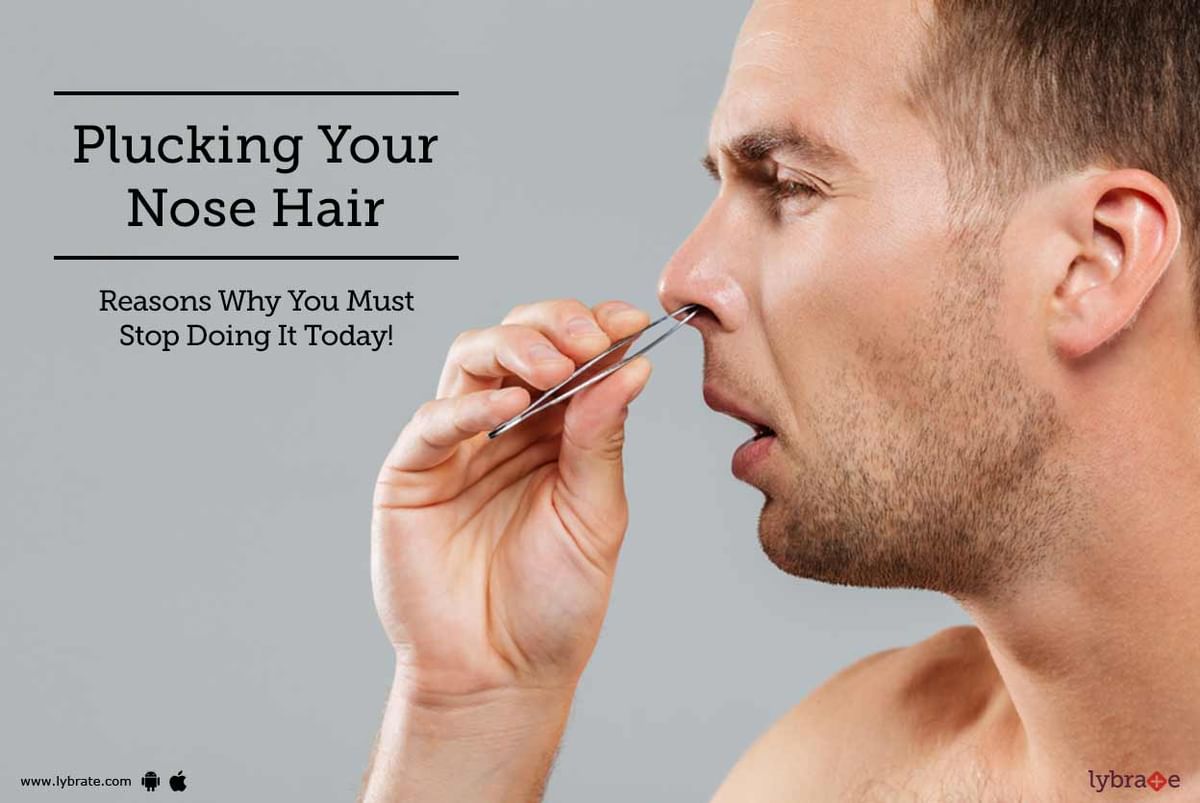
There are other methods you can try too, but they may not be as safe as using scissors or electric trimmers. According to the Cleveland Clinic, these IPL and other devices do work to remove unwanted hair, but it often takes many sessions, and the results are rarely permanent. IPL devices are generally safe, and they have been approved by the FDA for hair removal. At-home laser hair removal does work, however, like a lot of things on social media, the reality may be different than how it appears. To help you protect your body and your wallet, we help you determine fact from fiction. Now that you know some of the best methods to remove your nose hair, please stop doing any of these.

How to Get Rid of Blackheads on Your Nose and Prevent Them - Men's Health

How to Get Rid of Blackheads on Your Nose and Prevent Them.

Posted: Fri, 25 Feb 2022 08:00:00 GMT [source]

In conclusion, achieving permanent removal of nose hair is a challenging task. While there are various methods available, each has its limitations and may require multiple sessions or ongoing maintenance. It is crucial to consult with a professional or dermatologist to determine the best approach based on individual needs and preferences.

If you’re interested in laser hair removal, be sure to find a board-certified dermatologist or plastic surgeon. Only accept laser hair treatment within a professional facility. Because the nose is a small body cavity, it’s one of the most difficult spots to treat with lasers.

Only use someone who’s highly experienced and has good client reviews. But if you wish to remove vellus or light-colored hairs on your nose, laser removal isn’t your best choice. Laser hair removal is a semipermanent, long-lasting way to rid yourself of dark, terminal hairs. Those hairs are there to protect you from bacterial infection. Aging brings lots of interesting bodily developments — and that includes changes to your nose hair, notes Dr. Benninger. This discreet Panasonic trimmer, for example, can also be used on eyebrows and other facial hair—and the rotating inner-blade cuts hair without pulling.

After all, constantly trimming or plucking can be tiresome and uncomfortable. In this guide, we'll explore the options available for removing nose hair and whether there are any permanent solutions to this hairy problem. Unlike trimming, laser hair removal offers a more permanent solution for problematic nose hairs. However, people usually require at least six sessions for the hair to stop growing back.

Signs of ingrown hairs include pain, itchiness, redness, and tiny bumps filled with pus. Additionally, maintaining good overall health can also help manage nose hair growth. A balanced diet rich in vitamins and minerals can promote healthy hair growth and prevent excessive growth. Regular exercise and proper hydration can also contribute to maintaining a healthy balance of hormones, which can affect hair growth in various parts of the body. Waxing involves applying warm wax to the nostril area and quickly removing it to pull out the hair.

The best essential oils for hair growth: Do they work?

Sims notes that this is "basically enough to cover the area but not saturate it." then, she suggests gently massaging it in. ...